-
tel:
+86 18012590077 -
email:
laibeilizong@gmail.com -
Whatsapp
+86 18951480570

Take-up Unit Series TCM 3,4
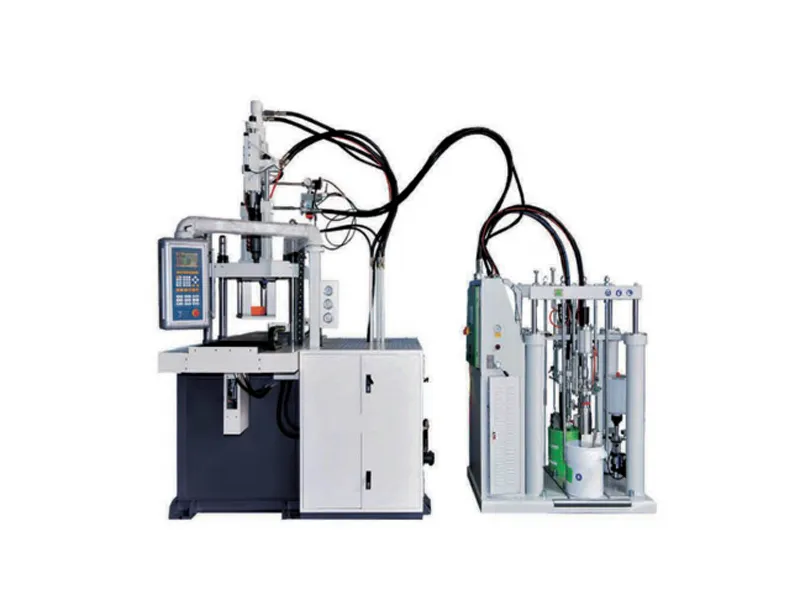
Take-up Unit Series TCM 3,4


A take-up unit (Tensioning Unit) is a bearing housing assembly with an adjustable mechanism, primarily used in applications requiring automatic or manual tensioning, such as conveyor belts and chain drive systems. It consists of a standard bearing (typically a spherical bearing with a housing) and a custom-designed guide rail. Adjusting the slide position allows the bearing center position to be altered to achieve tensioning in the drive system, compensate for thermal expansion, or correct for belt elongation.
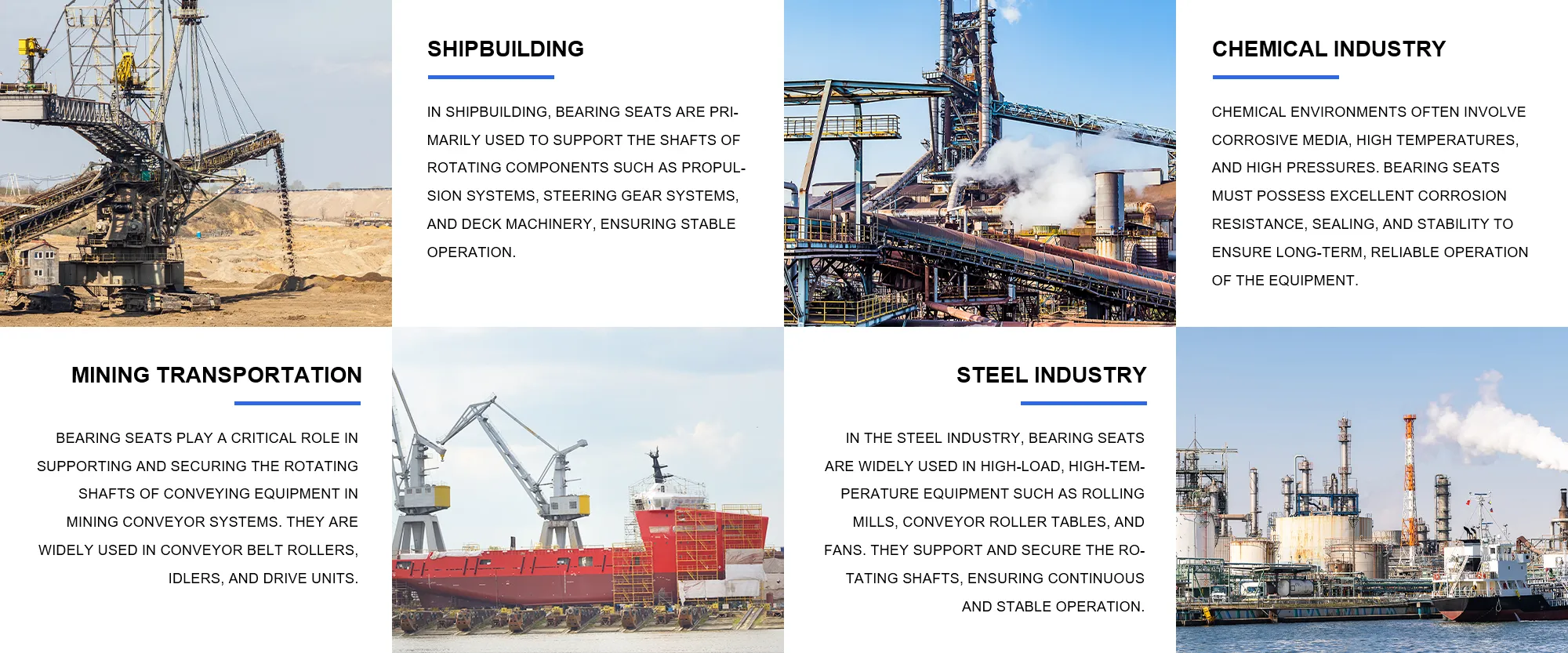
Take-up units are widely used in industries such as mining, material handling, agricultural equipment, automated assembly lines, and building materials production. They are a key component in ensuring smooth operation and automatic tension control in conveyor systems.
◆ Advantages
Automatic tensioning function maintains stable belt operation.
The Take-up Unit's greatest advantage lies in its sliding structure, which enables continuous belt tension adjustment during operation. When the conveyor belt slackens due to load fluctuations or long-term use, the Take-up Unit compensates for belt displacement, preventing slippage and deviation, ensuring continued efficient system operation.
Flexible installation and adaptability.
This unit features a standardized structure and is generally compatible with bearing housings from the UCT, UCTE, and UCST series. Whether tensioning from the top, bottom, or side, the Take-up Unit can be flexibly installed to suit various equipment layouts, making it suitable for a wide range of industrial scenarios.
Simple maintenance and reduced labor costs.
Bearing position can be changed by adjusting bolts or screws without dismantling the entire bearing housing or drive system. This makes maintenance and adjustments simple and quick, significantly reducing downtime and maintenance costs. This is a significant advantage for conveyor lines with frequent operation and high efficiency requirements.
Rugged Construction, Suitable for Harsh Operating Conditions
Take-up units typically feature high-strength cast iron or aluminum alloy housings and internally sealed spherical bearings, offering excellent dust, water, and impact resistance. They operate stably under high temperature, high humidity, dust, and heavy loads, making them suitable for complex environments such as mines and cement plants.
Extended Service Life of Transmission Components
Due to the constant ideal tension, belts, chains, and bearings operate under stable conditions, reducing fatigue damage and abnormal wear. Long-term use effectively extends the service life of conveyor system components, improving the overall economic efficiency and reliability of the entire machine.
◆ Application Area
◆ FAQ
What industries are take-up units primarily used in? Why are they important?
Take-up units are widely used in conveyor belt systems, such as mining conveyors, agricultural grain conveying, packaging lines, and sand and gravel production lines. They are crucial because they enable dynamic or manual adjustment of bearing position to tension belts, chains, or conveyor lines, ensuring transmission efficiency and preventing slippage or binding. They also compensate for thermal expansion or structural displacement, ensuring long-term stable operation of the equipment, making them an indispensable component in conveyor systems.
How do I properly install and adjust a take-up unit?
Before installation, confirm the guide rail orientation and tensioning method (e.g., lateral or longitudinal), secure the carriage to the rail, and ensure horizontal alignment of the bearings. Slowly advance the bearing unit by adjusting the tensioning screw or moving device to increase tension. During installation, avoid applying excessive force or tilting the installation to prevent uneven bearing loading. After adjustment, tighten the fixing bolts and check for further adjustment after a period of operation to ensure the belt tension remains within the proper range.
What is the difference between a take-up unit and a standard bearing seat?
The key difference between a Take-up Unit and a standard bearing seat lies in its adjustability. While standard bearing seats are fixed to the shaft and cannot be adjusted in position, a Take-up Unit is mounted on a slide or bracket and slides along a guide rail, allowing the bearing center position to be adjusted, thereby tensioning the drive system. This feature excels in systems with dynamic loads and frequent belt extension and retraction, automatically adapting to tension changes during operation and improving equipment stability and service life.
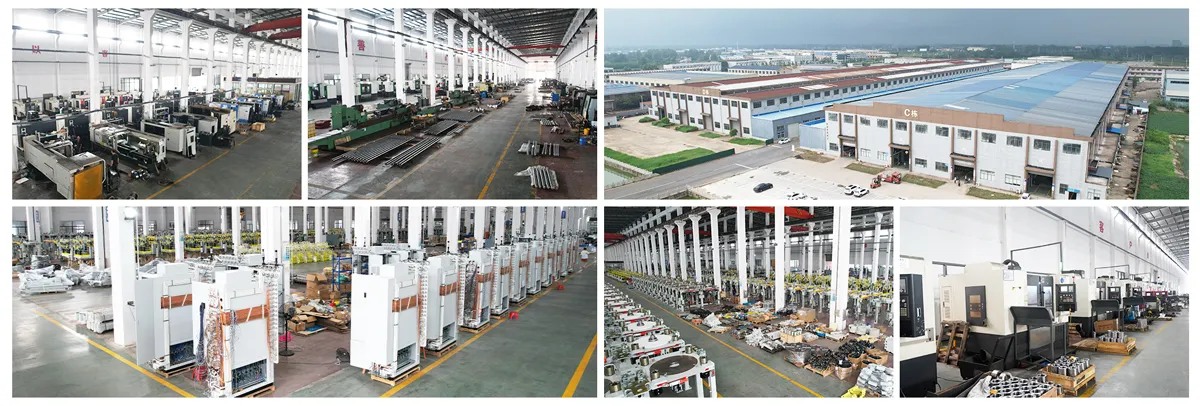
Xiangshui Laibei Technology Co., Ltd. is a technology-based enterprise with rich experience in the design and manufacturing of rubber machinery and automation machinery, committed to providing customers with high-quality mechanical services.
Our company adheres to the principle of standardized operation, insists on the concept of quality improvement and product innovation, provides various customized products, and offers customers technical consultation, research and development, manufacturing, factory planning, and whole plant output services. Through rapid customer service processing, operator training, and comprehensive assistance before and after sales, we provide customers with the best products.
Related Products


CONTACT US
Contact US
Product Information
Quantity
Unit
Piece
Support order samples, customization, wholesale direct, and complete payment. If the product you look for does not have corresponding customized content, pls fill out the form below to contact us, and we will reply ASAP.