-
tel:
+86 18012590077 -
email:
laibeilizong@gmail.com -
Whatsapp
+86 18951480570

Locking Clip Series AL / ALL
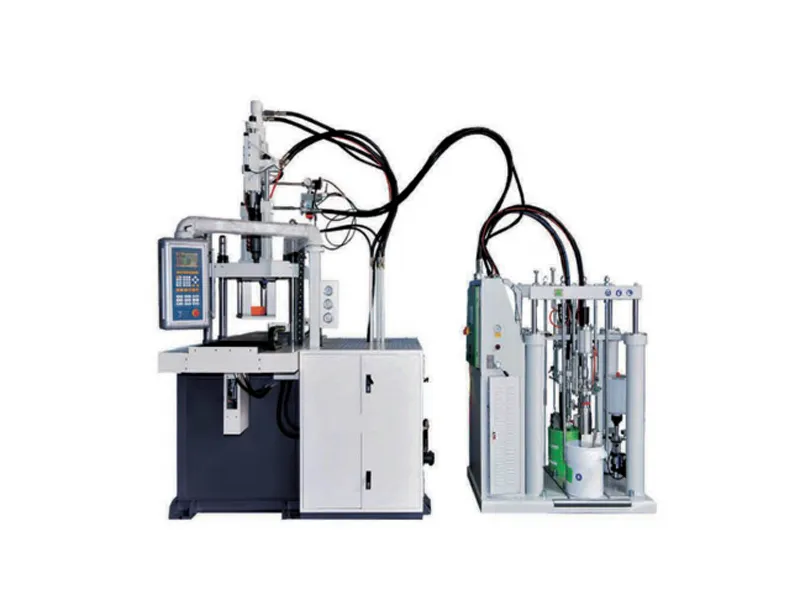
Locking Clip Series AL / ALL


A locking clip (or locking plate) is a metal fastener accessory used to prevent nuts, bolts, bearings, and other components from loosening due to vibration or rotation during operation. Typically stamped from thin steel, it offers excellent elasticity and a snap-fit structure. It locks by inserting into a locking slot, snapping into a notch, or engaging with the nut's external structure.
Locking clips are widely used in machinery manufacturing, the automotive industry, heavy equipment, and bearing mounting systems. They are particularly well-suited for systems subject to high vibration, high speed, or where exceptionally high fastening reliability is required. Their lightweight construction and easy installation make them a cost-effective anti-loosening device.
◆ Advantages
Simple Design and Easy Use
Locking Clips typically feature a one-piece design, offering a simple appearance and compact construction. Installation requires no tools; simply insert into the pre-designed slots or locking holes to secure the lock. Removal is equally easy, making them suitable for quick maintenance and reuse.
Reliable Anti-Loosening and High Safety
This product's primary function is to prevent nuts or related components from loosening under conditions of vibration, high speed, or load shock. Its locking tongue, teeth, or butt-jointed structure securely engages with the nut groove, creating a stable physical barrier. Compared to conventional lock washers or threadlockers, Locking Clips offer a more reliable mechanical lock and are particularly suitable for demanding industrial environments.
Versatile and Compatible with a Wide Range of Components
Locking Clips can be used with a variety of nut sizes (such as the KM series), bearing adapter sleeves, and withdrawal sleeves. Their high degree of standardization (such as the MB series) allows them to be compatible with a wide range of standard bearing assemblies and custom equipment. Whether working with standard shaft diameters or specialized applications, they can be quickly adapted.
High-quality material, wear-resistant and corrosion-resistant
Typically manufactured from spring steel or stainless steel, they possess strong elastic recovery and fatigue resistance. Surface treatments such as blackening, galvanizing, and phosphating ensure they withstand long-term use in humid, hot, and dusty environments, preventing rust, peeling, and failure.
Low cost and high performance
As an inexpensive yet effective locking solution, the Locking Clip offers an extremely high cost-effectiveness. Once installed, they provide long-term stable operation, requiring no frequent maintenance. Suitable for bulk purchase and standardized assembly, they are ideal components for anti-loosening systems in various equipment.
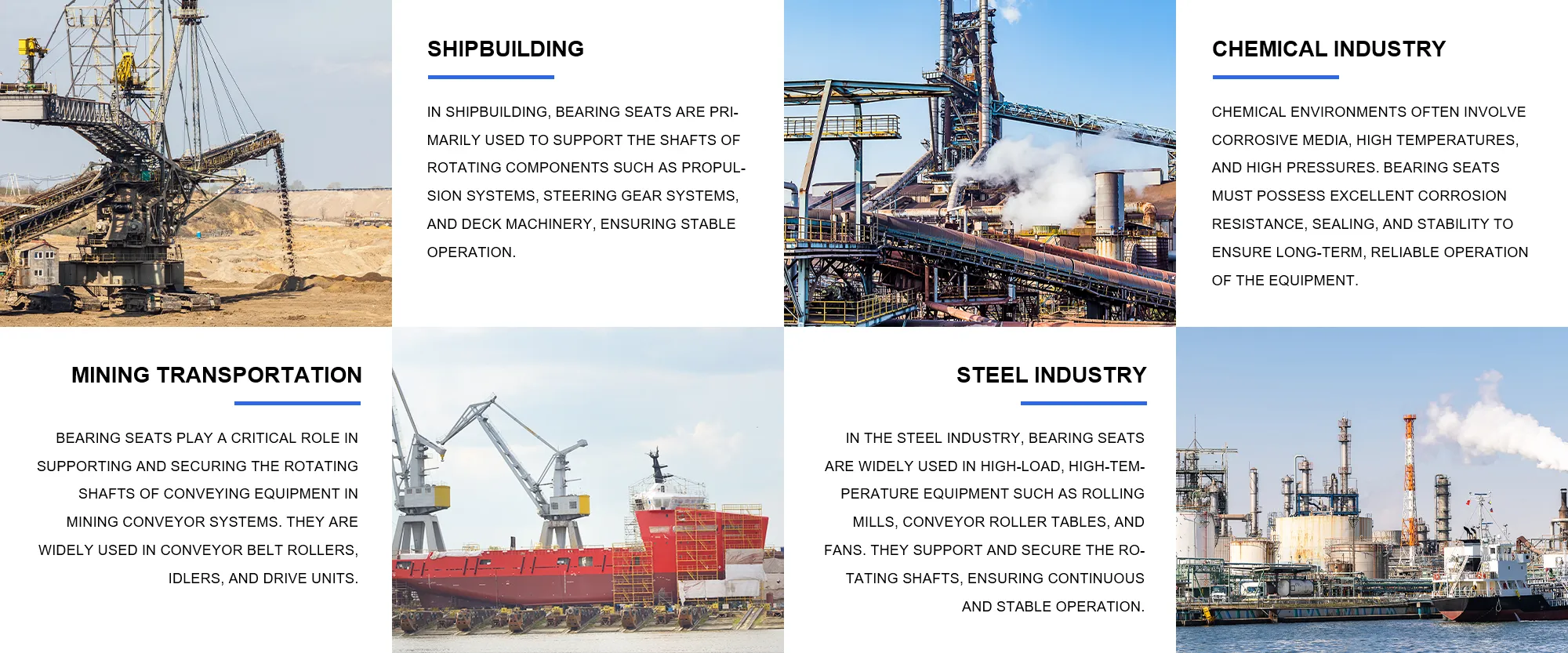
◆ Application Area
◆ FAQ
How do locking clips prevent nuts from loosening? How do they work?
Locking clips use specific mechanical structures (such as locking tongues, slots, and bumps) that mate with the nut surface or the extraction sleeve slot to form a physical barrier. When the nut attempts to rotate on its own, the locking clip effectively resists its movement, preventing loosening. Compared to anti-loosening methods that rely on friction or adhesives, locking clips provide a "rigid lock" that maintains effective anti-loosening effectiveness even under high vibration and heavy loads. They are a key component in bearing retention systems.
Can locking clips be reused? What factors affect their service life?
Most locking clips are reusable under normal use, especially standard parts made of spring steel or stainless steel. However, after intensive use or repeated assembly and disassembly, the locking tongue or latch may permanently deform, affecting their locking effectiveness. Service life is primarily affected by frequency of installation, environmental corrosion, load, and operating temperature. It is recommended to inspect the locking clip for deformation or rust during regular maintenance and replace it immediately if damaged.
How do I choose the locking clip that matches the nut or bearing sleeve?
When selecting a locking clip, you need to match it to the nut model, shaft diameter, and mounting assembly type. For example, a KM24 nut typically uses an MB24 locking clip. When selecting a locking clip, it's recommended to consult the bearing manufacturer's selection manual or standard parts catalog to confirm that the locking clip's inner diameter, thickness, and locking tongue structure match the slot on the nut or withdrawal sleeve. For non-standard equipment designs, custom-made locking clips may be considered to ensure safety and compatibility.
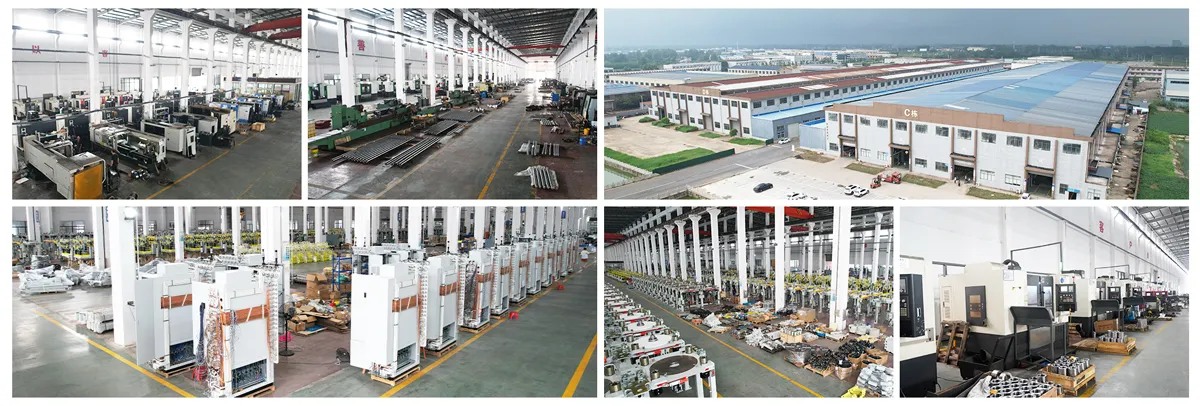
Xiangshui Laibei Technology Co., Ltd. is a technology-based enterprise with rich experience in the design and manufacturing of rubber machinery and automation machinery, committed to providing customers with high-quality mechanical services.
Our company adheres to the principle of standardized operation, insists on the concept of quality improvement and product innovation, provides various customized products, and offers customers technical consultation, research and development, manufacturing, factory planning, and whole plant output services. Through rapid customer service processing, operator training, and comprehensive assistance before and after sales, we provide customers with the best products.
Related Products


CONTACT US
Contact US
Product Information
Quantity
Unit
Piece
Support order samples, customization, wholesale direct, and complete payment. If the product you look for does not have corresponding customized content, pls fill out the form below to contact us, and we will reply ASAP.